How long does it take to learn kitesurfing or wing foiling in Koh Phangan? Honest timelines for beginners
08.04.2026
Read
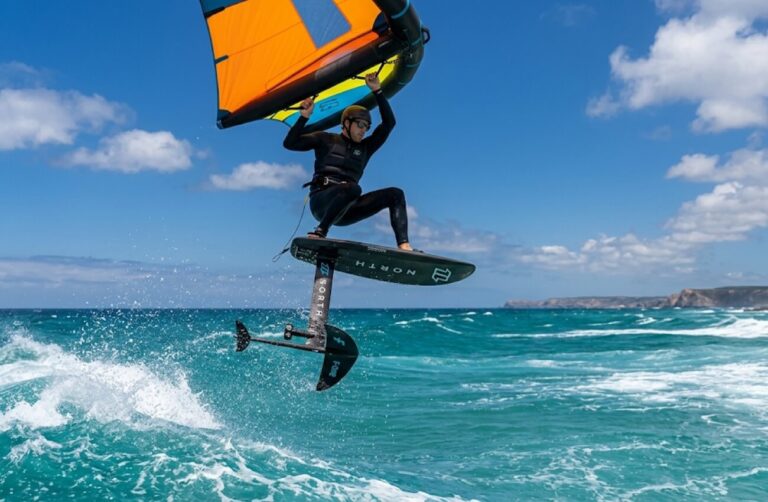
Wing foil surfing carries unique risks that beginners often underestimate. The hydrofoil’s sharp edges and unpredictable lift create hazards not present in traditional water sports. Understanding safety protocols before your first session prevents injuries that sideline riders for weeks.
Here’s what actually protects you when learning to ride on the foil.
A proper impact vest isn’t optional. The foil mast extends 60-90cm underwater with a sharp carbon or aluminum edge. Falls near your board can cause deep lacerations if you land on the mast or wing components. Vests provide flotation and crucial torso protection.
Helmets protect against board strikes during crashes. When the board flips or you fall badly, it can swing back and hit you. Beginners fall constantly during early sessions – protecting your head matters more than looking cool.
Even in warm tropical water, a wetsuit provides abrasion protection. Dragging across shallow coral or getting scraped by your own equipment happens frequently. A 2mm shorty works well for Thong Sala and Chaloklum where water runs 28-30°C year-round.
Rash guards offer minimal protection but prevent sun damage during extended sessions. Thailand sun burns exposed skin within 30 minutes. Coverage matters more than you think when you’re focused on balancing rather than reapplying sunscreen.
The foil operates underwater where you can’t see it during falls. Never try to catch or grab your board when it’s drifting away. Let it go. Swim around it, always approaching from upwind so the board blows away from you rather than toward you.
Standing downwind of your board creates the highest injury risk. If wind pushes the board at you while the foil extends underwater, you can’t see what’s about to hit you. This positioning causes the majority of serious cuts beginners experience.
Fall away from your board, not onto it. This seems obvious but instinct makes you try to save the fall by staying close to your equipment. Bad idea. Push away deliberately, creating separation between you and the sharp underwater components.
Once in the water, locate your board before swimming toward it. Surface, get oriented, identify the wind direction, then approach from upwind. This simple sequence prevents most foil-related injuries.
Light wind (8-12 knots) provides the safest learning environment. You’ll progress slower but avoid the violent crashes that happen in stronger conditions. Once wind exceeds 15 knots, beginners lose control easily – the wing overpowers you, stability disappears, and falls become harder.
The Kiteschool Koh Phangan monitors conditions constantly. If gusts exceed safe limits for your skill level, sessions pause regardless of how eager you are to continue. This isn’t being overcautious – it’s preventing injuries we’ve seen too many times.
November through April brings steady northeast monsoon patterns ideal for learning. Morning sessions (8-10am) typically see lighter, more stable wind compared to afternoon thermal build-up. Beginners should book early slots when possible.
Gusty conditions create the trickiest scenarios. The wing suddenly overpowers you, lifts you uncontrollably, then drops power just as quickly. Smooth, steady wind lets you develop feel gradually. Variable conditions belong in your practice only after mastering basics in consistent air.
Your first session should happen on a regular SUP board with just the wing. Practice holding a wing, generating power, and controlling position – all without the foil complication. This foundation prevents the overwhelming feeling of managing too many variables simultaneously.
Once wing handling becomes comfortable (usually one to two hours), add the foil but stay in shallow water where you can stand. Chest-deep areas let you reset between attempts without exhausting yourself swimming in deep water.
Kite Club instructors stay within 15 meters during your early attempts, watching for hazardous situations before they develop. We’re not hovering to annoy you – we’re positioned to intervene if you drift into another rider’s path or head toward shallow reef sections.
Always have a backup plan for getting back to shore. If you’re too tired to ride back, can you paddle? Is the current manageable? Are you close enough to shore to swim if needed? These aren’t pessimistic thoughts – they’re essential safety awareness.
Pushing beyond your energy reserves causes more incidents than anything else. You get tired, coordination suffers, crashes increase, and suddenly you’re too exhausted to swim back properly. Quit while you still have gas in the tank.
Riding too close to other people creates collision risks. Beginners can’t control direction reliably yet. Maintain a 30+ meter spacing from other riders until your control becomes predictable. This protects both you and them.
Ignoring equipment damage mid-session leads to failures. Check your wing for tears, board for cracks, and foil connections for looseness between every few runs. Catastrophic equipment failure mid-ride causes dangerous situations.
Thing is, most injuries come from ignoring basic protocols rather than freak accidents. Wear protection. Respect the foil’s hazards. Know your limits. Follow these fundamentals and you’ll progress safely through the sport’s incredible learning curve.
An impact vest and a helmet are mandatory for all beginners. The foil’s sharp edges and rigid mast create serious injury risks during falls. A wetsuit or rash guard should also be worn for abrasion protection and sun coverage during extended sessions.
The underwater foil creates unique hazards not present in traditional surfing or SUP. However, with proper safety gear and awareness of your positioning relative to the board, injury rates are comparable to kitesurfing. Most accidents result from ignoring basic safety protocols.
Avoid riding when the wind exceeds 15 knots as a beginner or when conditions are gusty and variable. Light, steady wind (8–12 knots) provides the safest learning environment. You should also skip sessions if you are fatigued or dealing with strong currents.
Never practice alone until you have mastered basic safety skills, including self-rescue, proper falling techniques, and reliable board control. Having an instructor stay within 15–20 meters during early sessions can prevent dangerous situations before they develop.